This project is now archived and was part of DDW21
Event type
Exhibition
Location
Strijp T+R
BioArt Laboratories
Oirschotsedijk 14-10
5651 GC
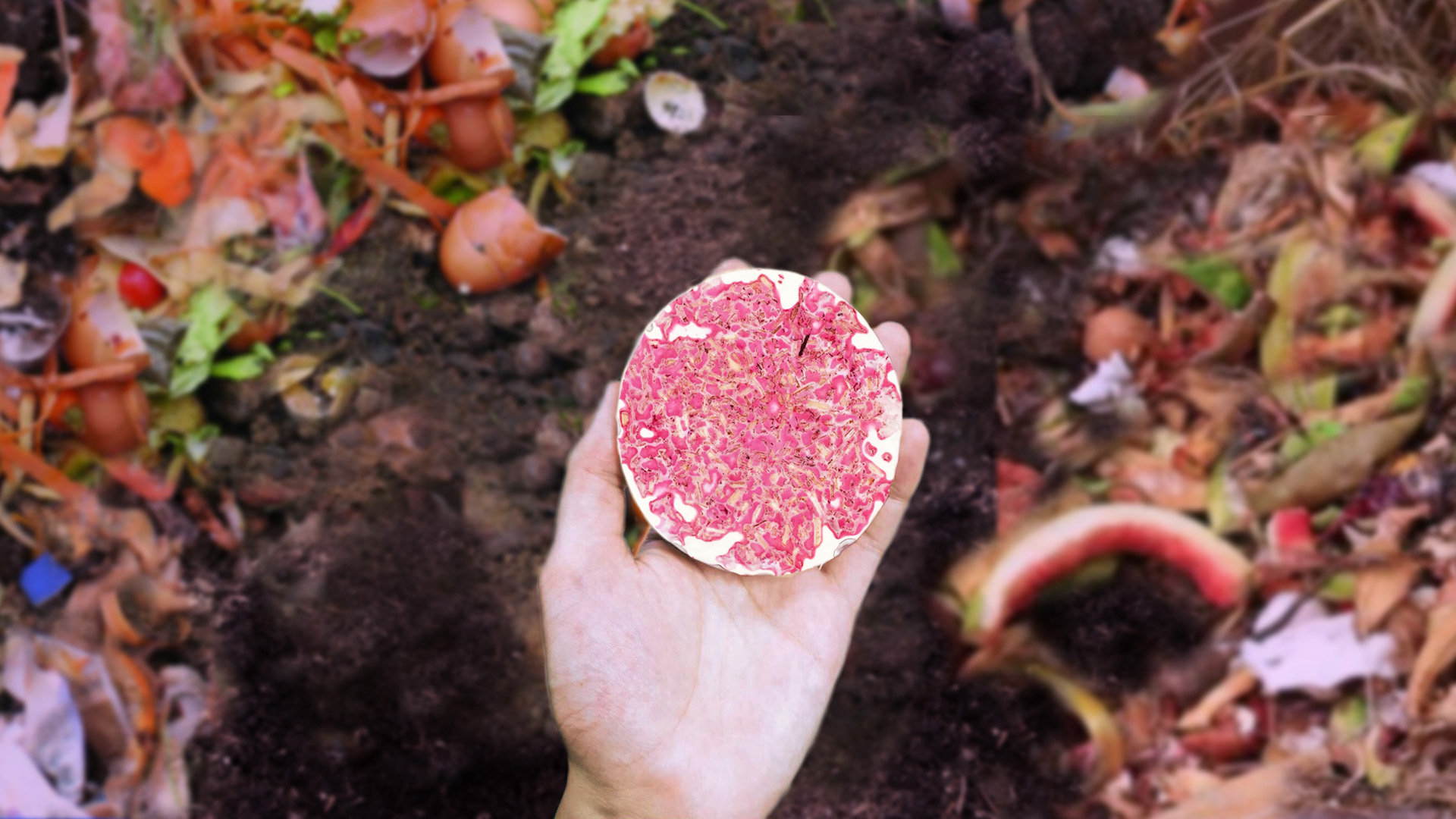
HOW (household organic waste) bioconverted sample
Studio Catinca Tilea
What if H.O.W. (household organic waste) was commonly seen as a renewable resource? H.O.W. would then be valuable, it would be an object of desire in a world of scarce resources. It wouldn't be thrown away just like that. We'd all benefit from it: we'd crowdsource H.O.W.
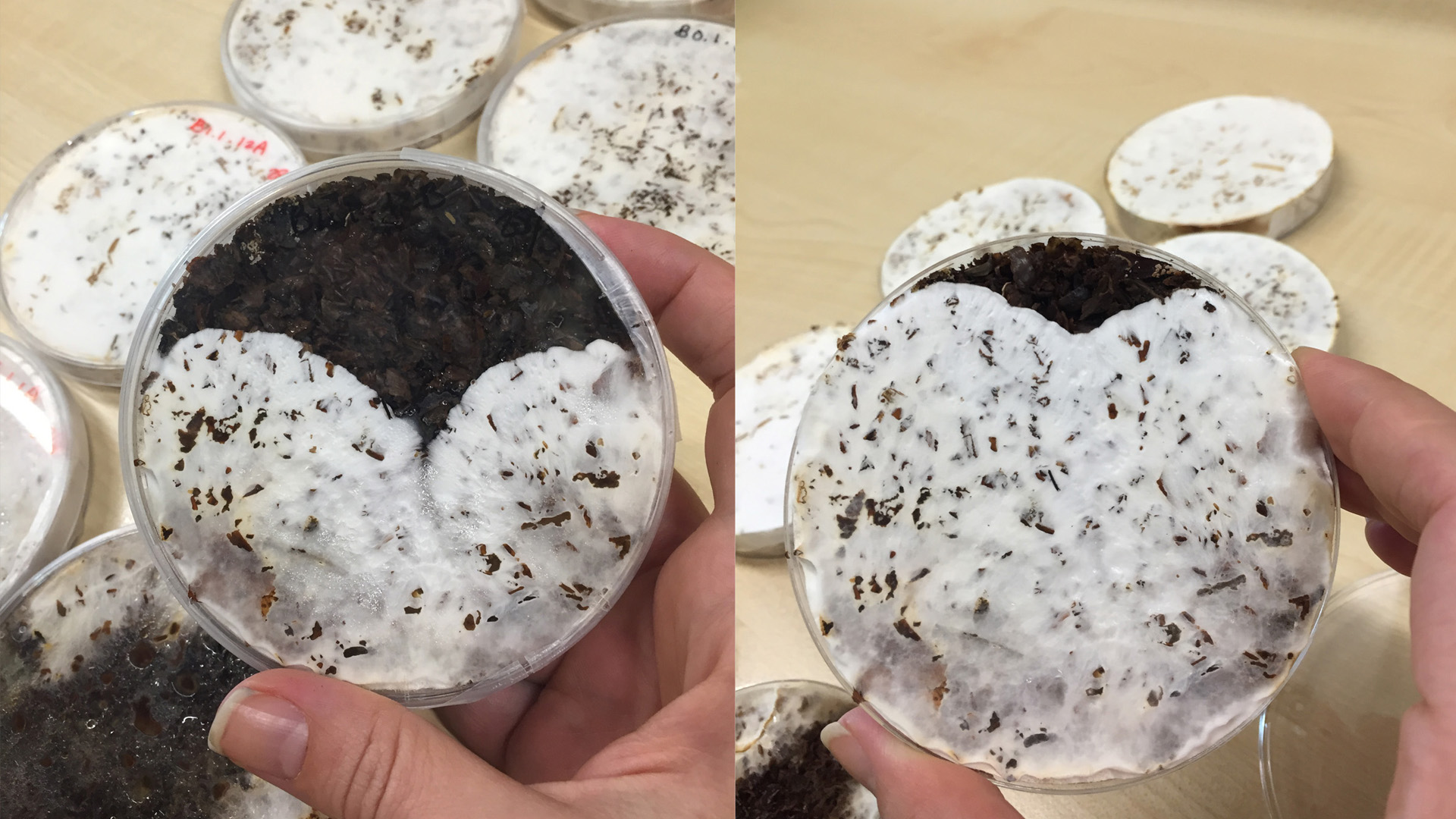
HOW sample B.1.1.12B on day 10 and day 13
Studio Catinca Tilea
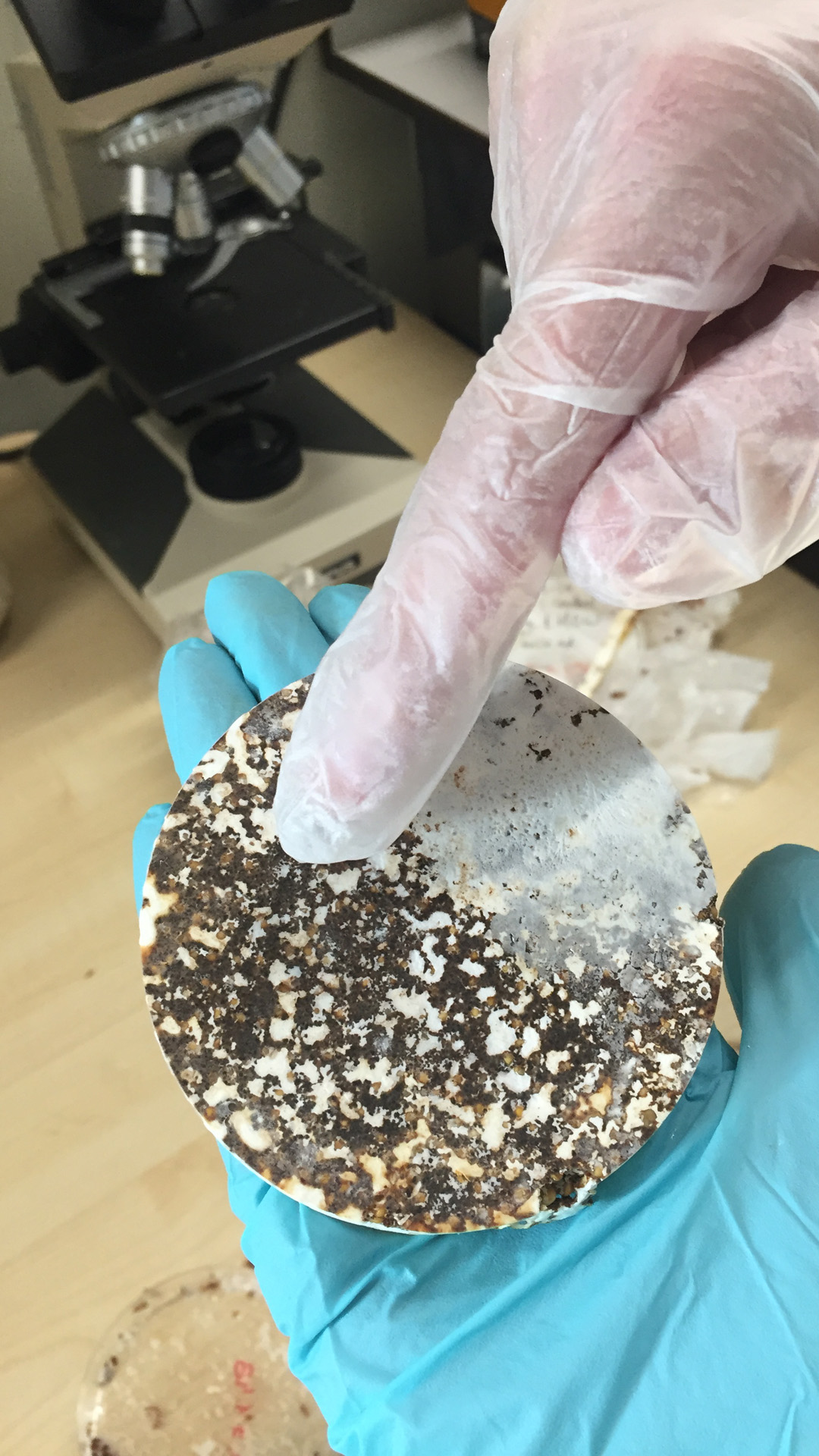
HOW material sample
Studio Catinca Tilea
About Studio Catinca Tilea
Studio Catinca Tilea is an art-design practice that responds to social dilemma's through product and interior design, installations, research, retail strategy, and other forms of creative expression. Its driving philosophy is that design can fulfill an educative role. That’s why the studio engages audiences as (conscious) participants in the creative process. Among the topics approached with great pleasure are environmental issues, social cohesion and integration.
Colofon
Microbiologist. Scientific advisor
Emmy Jaarsma
Bioengineer. Scientific advisor
Weronika Rybarczyk-Jósko
Bioengineer. Scientific advisor
Maria Briglia
Assistant designer
Lila Verwijs
Similar projects
HTW Berlin / University of Applied Sciences Berlin
Tangible Experiences: Communicate. Participate. Engage
studio(ba)
Complete Me
CLICKNL
DRIVE: Circular & Biobased Building
CLICKNL
DRIVE: Mobility
United Matters
United Matters
Portal Eindhoven
Portal Eindhoven
Durjoy Bangladesh Foundation (DBF)
Seriously Being That Furniture
Gemeente Eindhoven
Eindhoven internationale Knoop XL
Efficiency for Access Coalition
Efficiency for Access Design Challenge prototypes
Studio Bas Sala
Cloiq de circulaire slimme regenton