17-25 October 2026

How sustainable is Bhar

This design project reveals an unsustainable choice between “no single-use plastic” and “zero waste” made by the Indian railway minister in 2020.

Hosted by Hanne Viehmann

This project is now archived and was part of DDW21

Event type

Exhibition

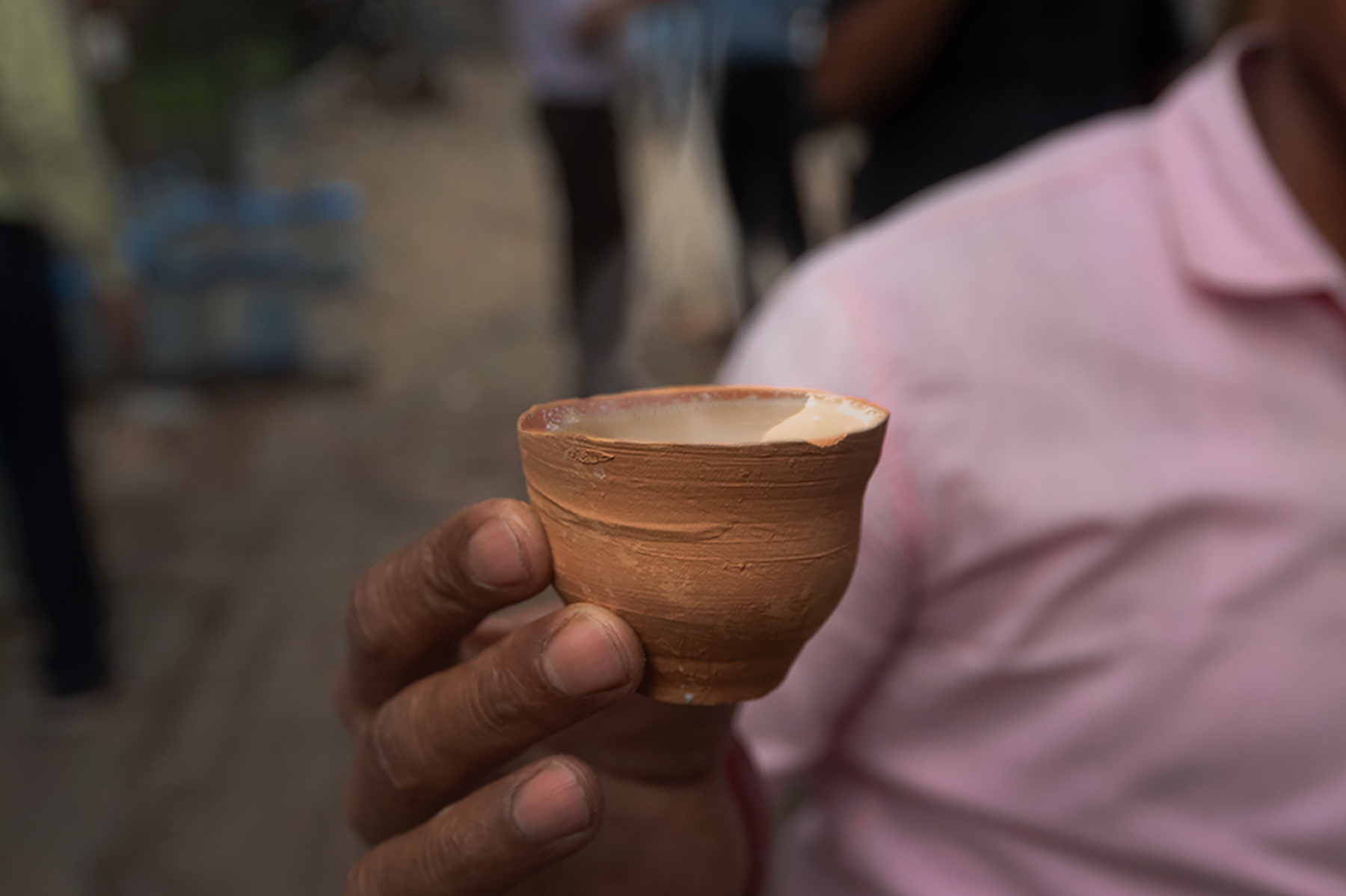
Bhar, the disposable cup made from terracotta.
Future decisions are based on the challenge to prevent producing waste or to consider waste as a valuable resource. The current railway minister from India wants to avoid large masses of plastic waste from discarded tea cups by simply replacing the synthetic material with traditional terracotta.
A design research on a disposable terracotta cup that sustainably aims to avoid plastic waste.

The project demonstrates the initiative that “cleaning the environment is not about changing the nature of waste nor making impulsive compromises”. How sustainable is Bhar explores the traditional cup’s ability to be a valuable alternative to plastic cups. It uncovers revealing insights and defines Bhar’s impact on the Indian socio-culture and environment. Bhar [baːɐ̯] is traditionally handmade from terracotta and and has been used as a hygienic disposable vessel in India for many centuries. It combines the social virtues of local rituals, national heritage, time-honoured crafts, the faith in the native material terracotta as well as the sensory experience of a sweet chai in Bhar with its unique earthen aroma. Potter Ramdjar Prajapati from Kolkata explained in the interview that he feels personally responsible for making healthy tea cups and carrying on the family tradition. He is the third generation to make Bhars. Challenges of the politician’s idea are that Bhar reinforces the general behaviour of producing waste in India and a continuous negative impact on the environment. These include soil pollution and negative impacts on agricultural land, as well as blocked drainages.

A design research with practical analysis of sustainability thinking.

As part of important and pioneering designs made for a more sustainable world, this research with its applied methods is intended to be an inspiring reference for future policy-making, social movements and the mission to develop sustainable circles. The project takes a close look at the requirements of holistic and smart sustainability solutions and highlights the opportunities and risks that can arise within sustainability approaches. Research Report The complete design research is documented in a report that visualises the multifaceted world of Bhar in Kolkata and includes challenges, design methods, insights, results and design choices. The report illustrates the aspects of a sustainable thinking. It is presented during the exhibition in the Plan-B area and can be purchased in the De Design Shop as well as ordered online. Exhibition Plan-B The show displays the transformation from the centuries-old item to a driving and innovative product. It shares impressions of the ethnographic research in Kolkata in 2019 (in collaboration with photographer Amitava Saha) and presents the process of the project to answer the question “how sustainable is Bhar”.
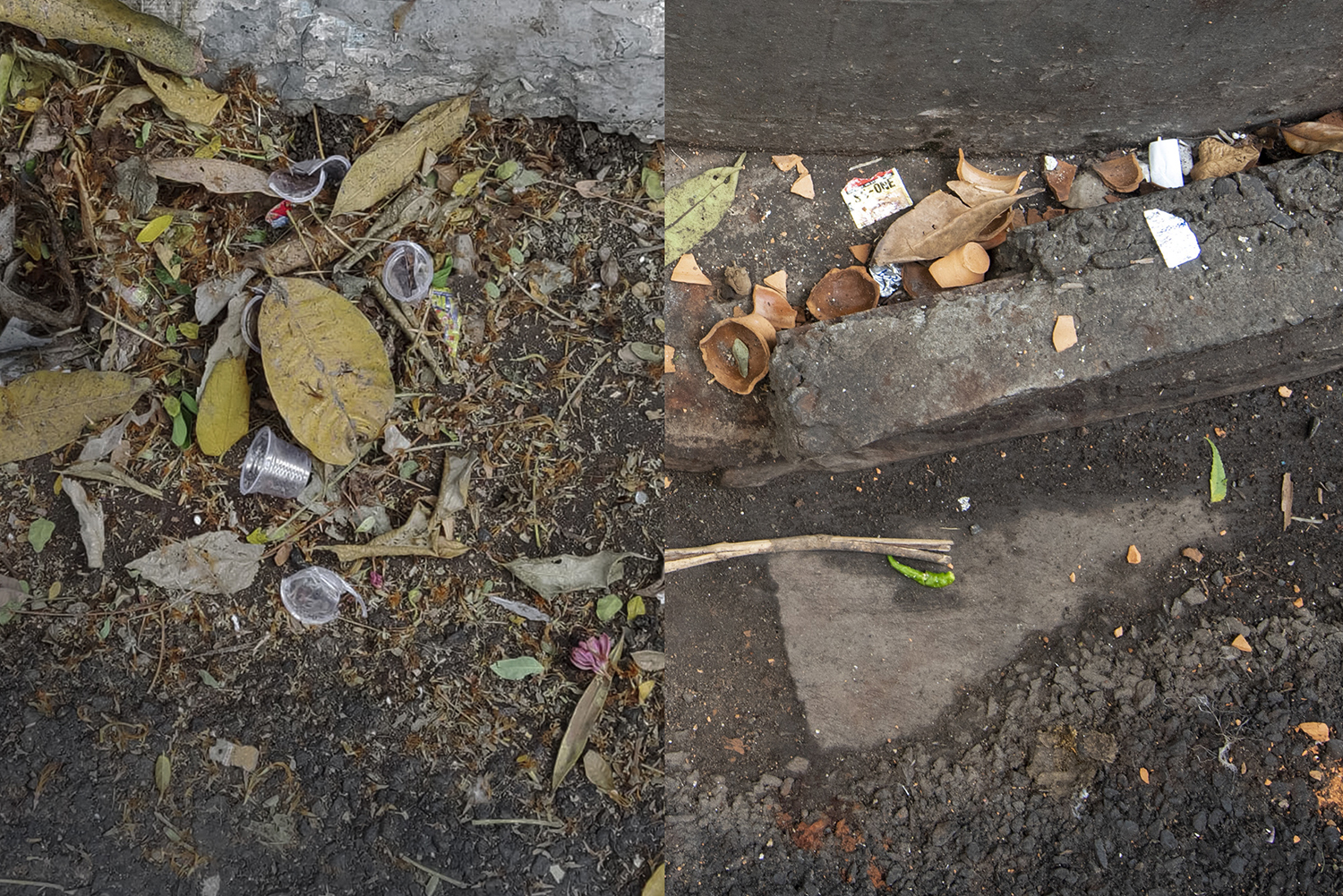
Plastic and terracotta waste in Kolkata.
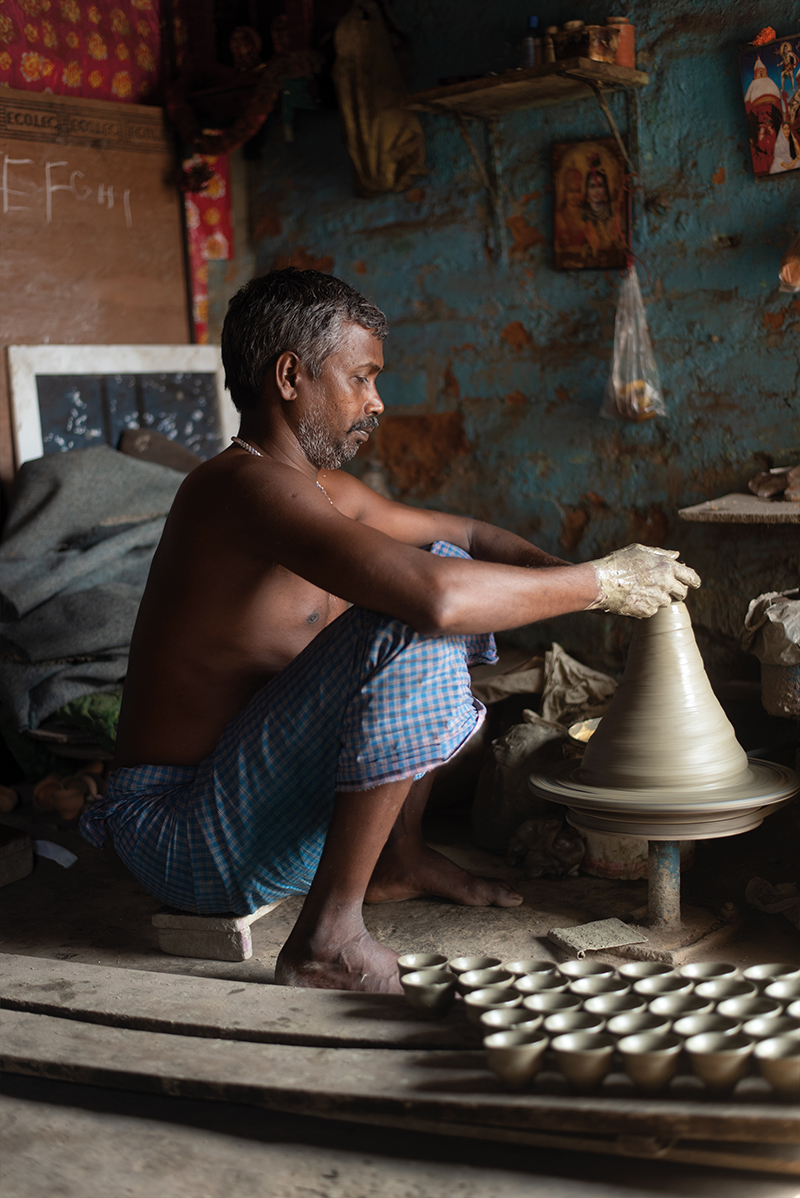
Potter Ramdjar Prajapati from Kolkata.
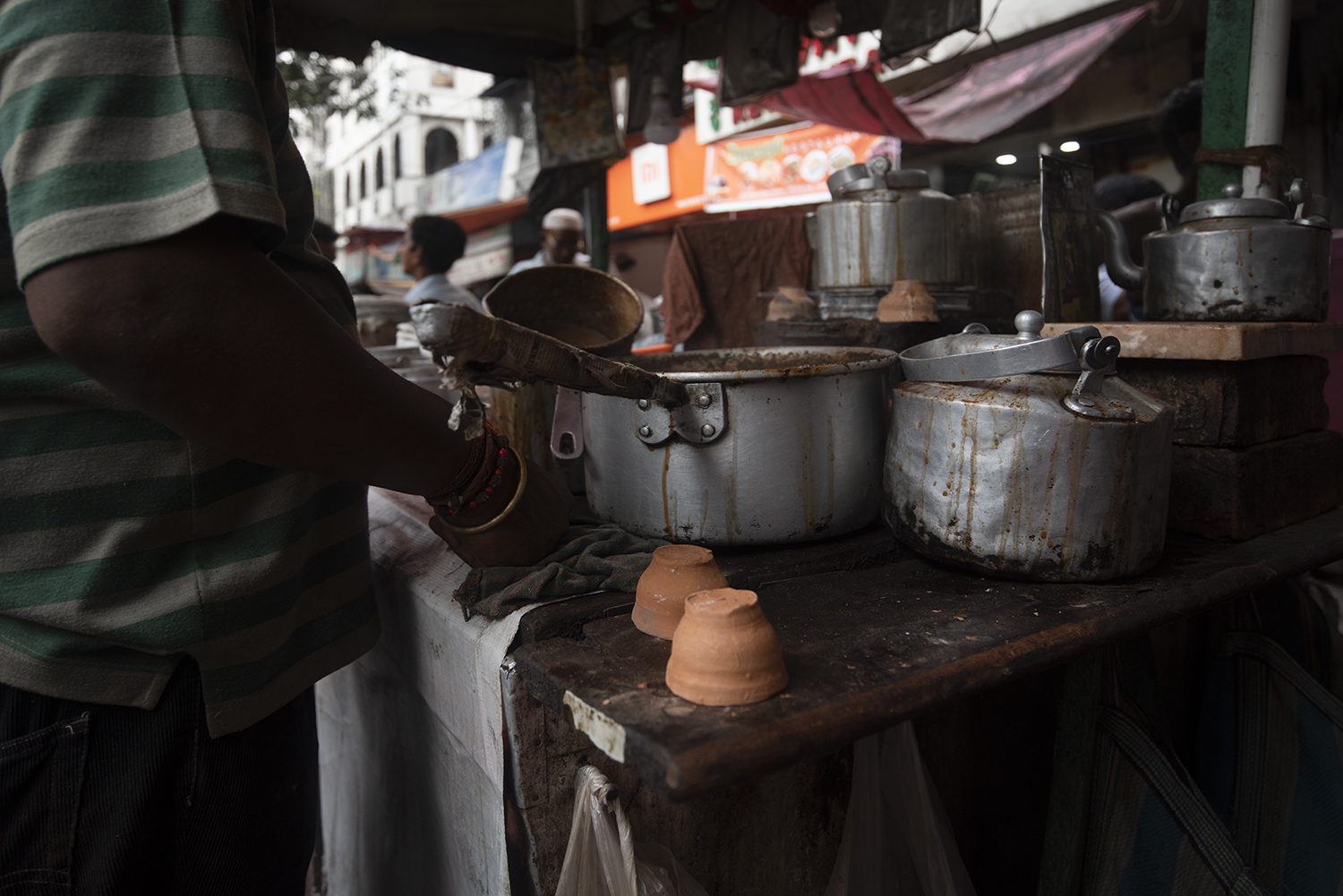
Bhar adds a unique flavour to sweet chai.

About Hanne Viehmann

Innovation Researcher and Designer MA/MSc Global Innovation Design, Royal College of Art, Imperial College London BA Product Design, HFBK Hamburg, Design Academy Eindhoven My future idea is to co-found a new design company or join a design team in order to continue creating international solutions for global sustainability goals.