A world of norms and expectations
In my research, I explored three themes: the striking rise in ADHD diagnoses among women and girls, the current state of women’s emancipation, and women’s mental well-being.
Why is it that women with ADHD often only receive a diagnosis once they are struggling with burnout or depression? And why do women experience mental health issues more often than men?
What connects these questions is a society that expects (too) much from women, while at the same time leaving little room to deviate from the norm. In trying to meet countless social expectations, women can develop a persistent feeling of never being enough.
Women with ADHD make this tension particularly visible. Traits that fall outside the norm are often masked for years, until adapting is no longer sustainable. Their experiences invite us to stop seeing the individual as the problem and instead question the norm itself.
The focus should therefore shift from ‘fixing’ individuals to examining the societal expectations that contribute to these problems.
The goal
From this perspective, I began exploring how, instead of constantly adapting ourselves as individuals, we can change as a society to create more space for different ways of being. I want to encourage women to look critically at both themselves and the world around them. By bringing women together, they can support one another in challenging existing expectations and norms. At the same time, I want to help them better recognise and navigate uncomfortable situations and negative interactions.
Eigen Wijs
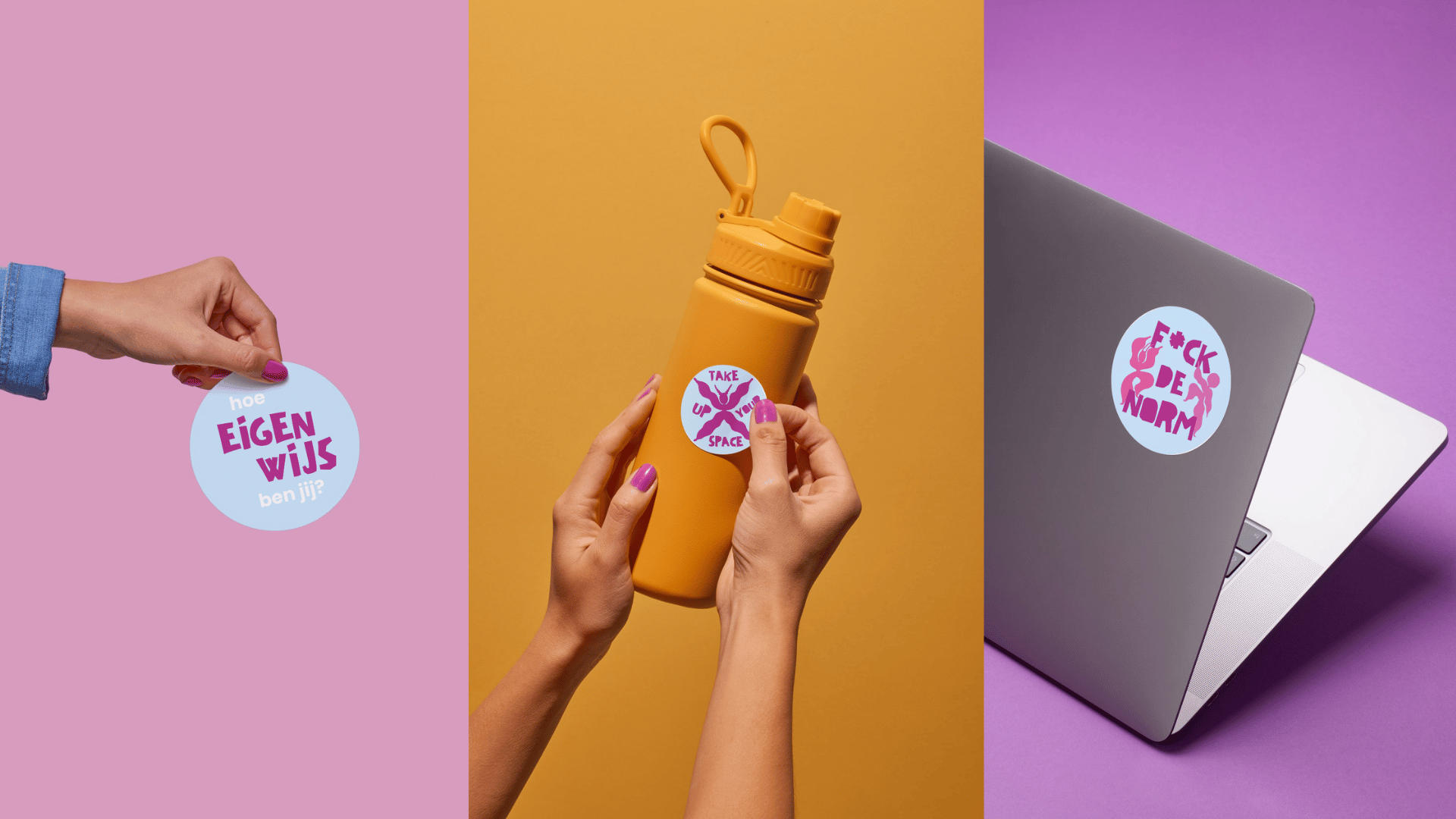
I brought all of these insights together in Eigen Wijs, a new feminist movement that draws attention to the often subtle, yet significant impact of societal norms and expectations on women’s lives.
At the heart of Eigen Wijs is micro-feminism: small, achievable actions in everyday life that contribute to the fight against gender inequality and sexism. Eigen Wijs encourages women to take these actions both individually and collectively, in ways that feel manageable, personal, and true to themselves.
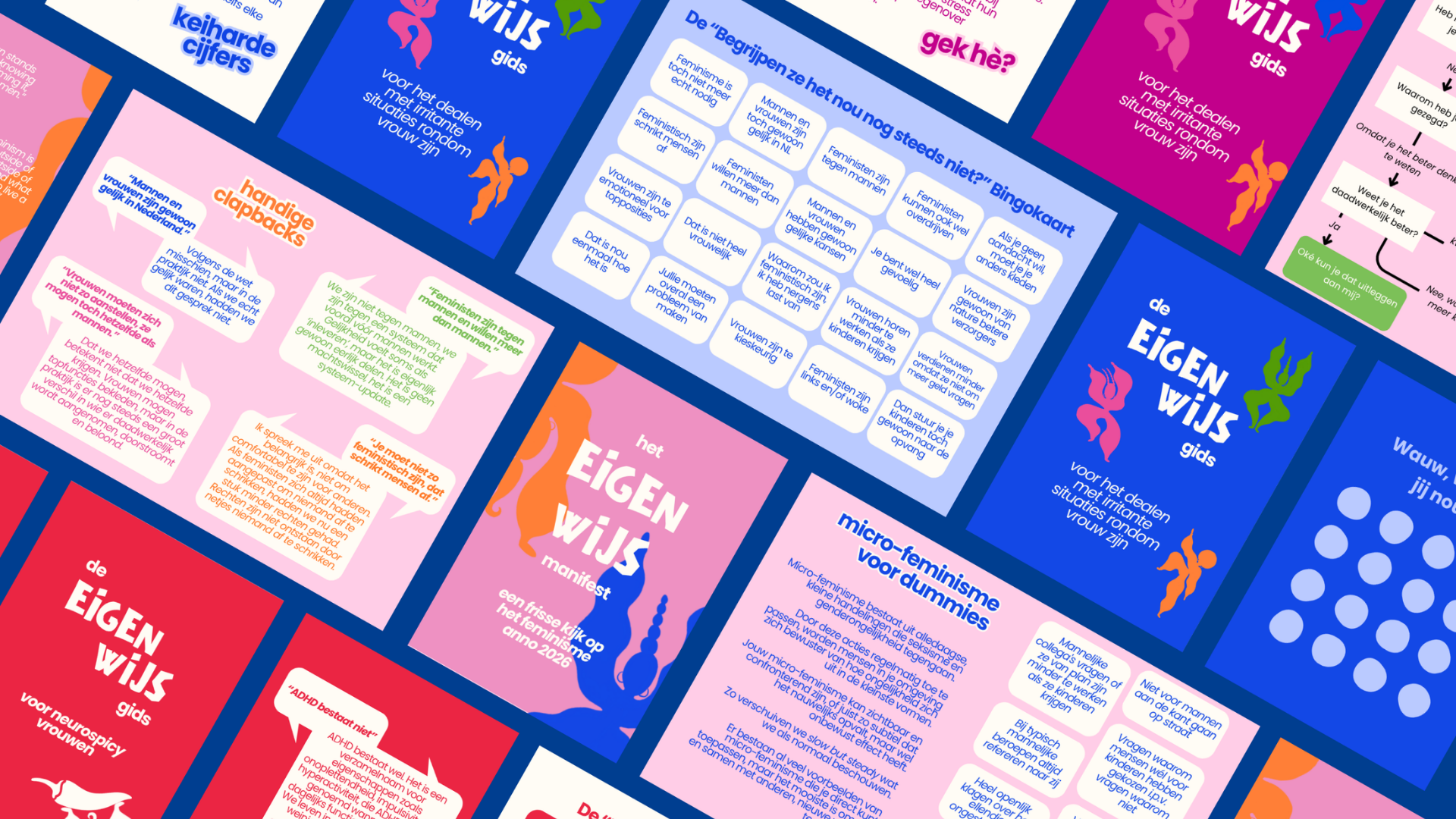
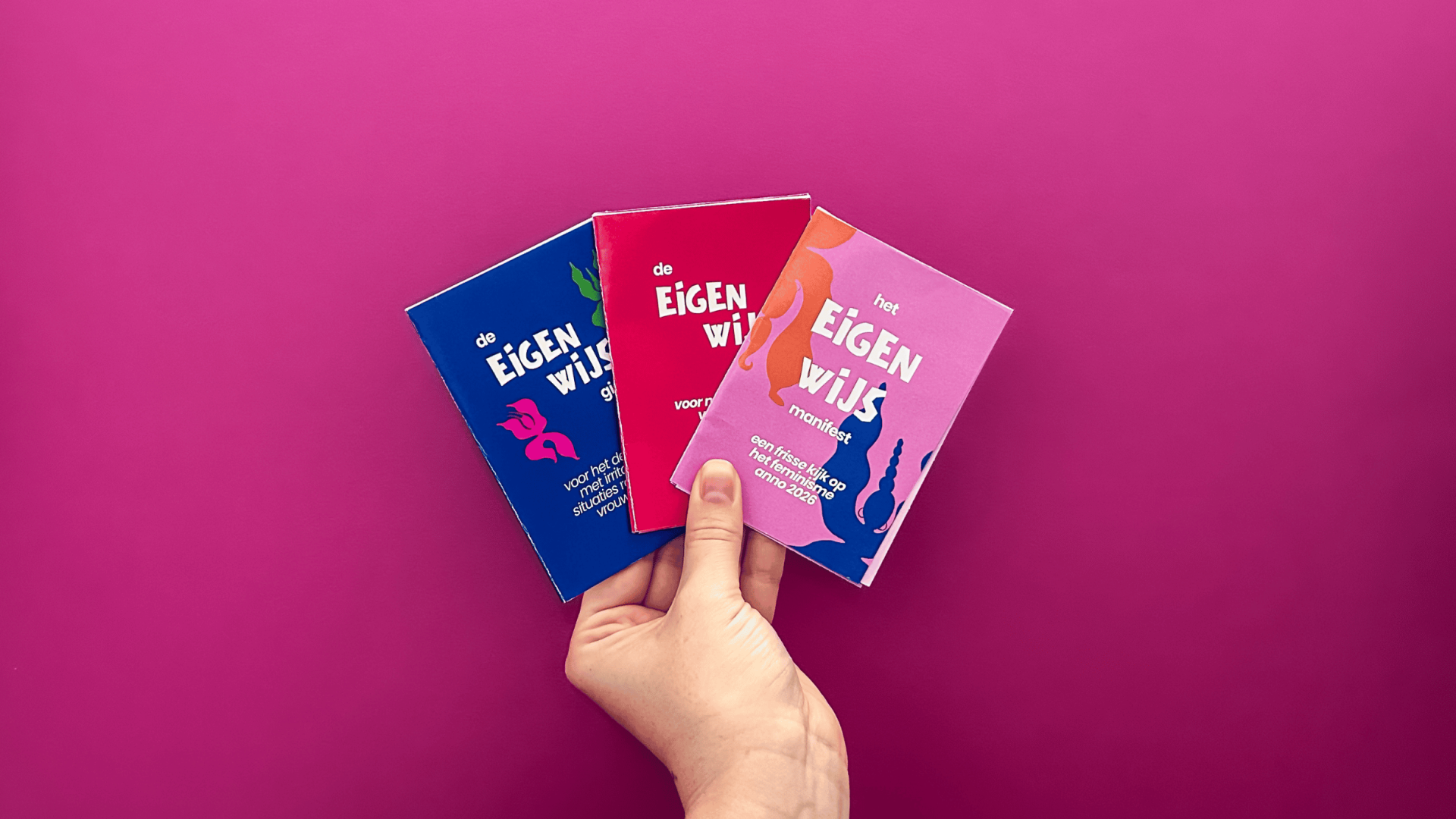
To make taking that first step easier, I designed three zines: small booklets filled with insights, tips, and activist tools that help women recognise, navigate, and challenge uncomfortable situations and negative interactions.
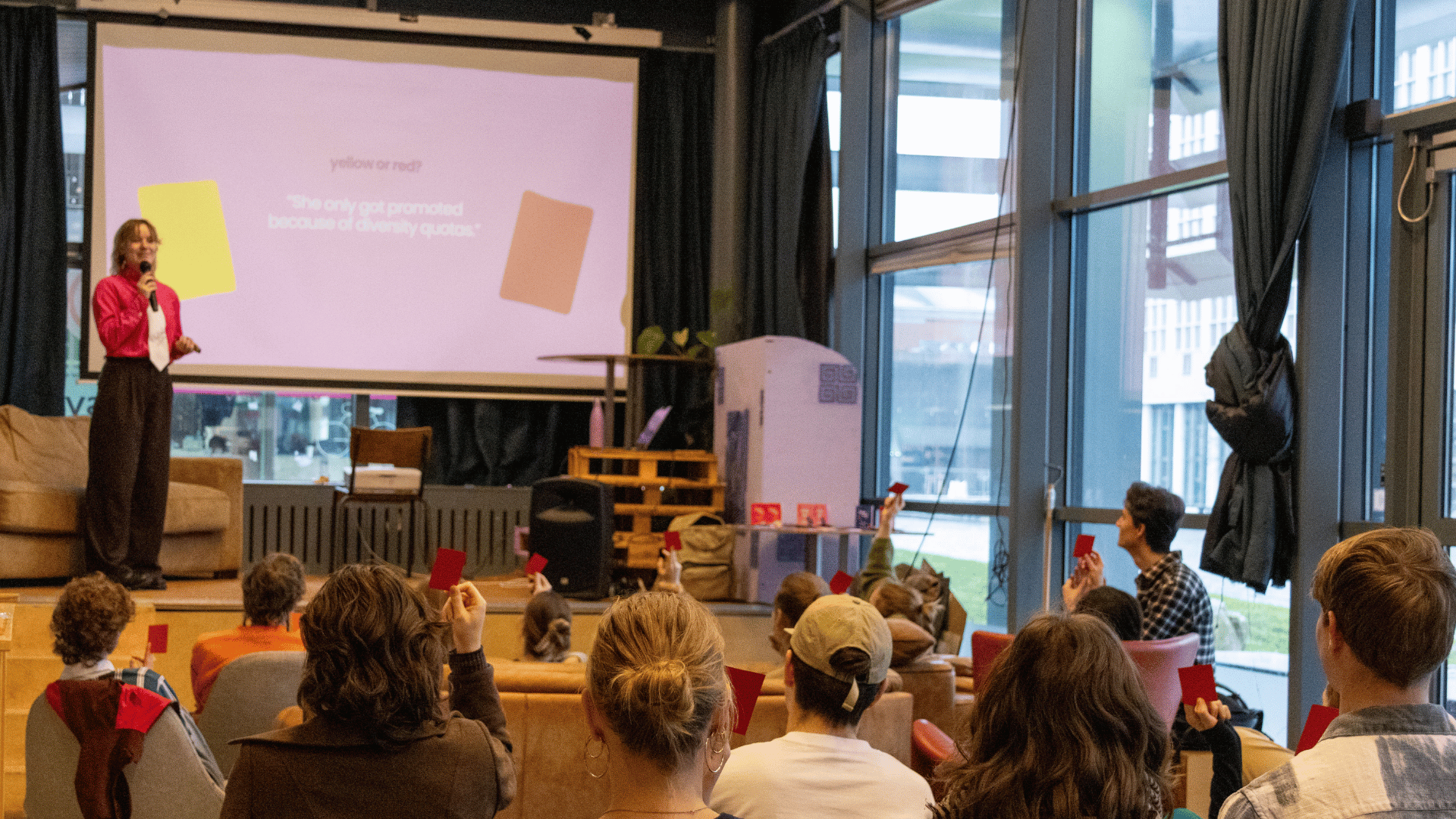
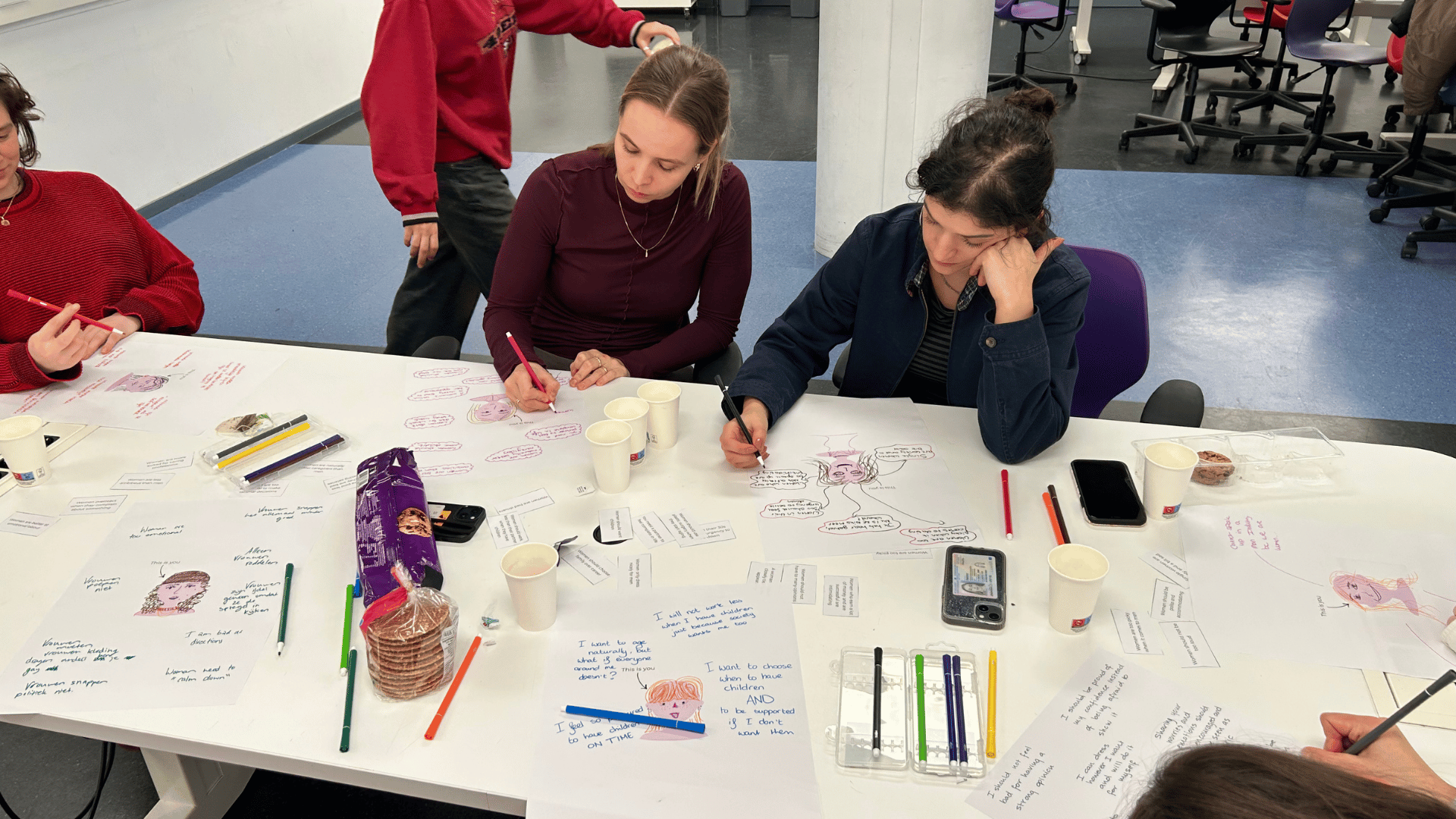
But change does not happen on an individual level alone. That is why Eigen Wijs brings creative minds together through workshops, meetings, and lectures to collectively analyse and redesign these kinds of situations. Not by teaching women how to adapt more effectively, but by exploring together how we can change our environments, interactions, and expectations.